A Bowl of Khichdi: Digestion, Warmth and Postpartum Recovery
An Ayurvedic-inspired recipe for gentle nourishment
In the early weeks after birth, the body is asked to heal, recalibrate, and adapt, often all at once. Appetite can be unpredictable, digestion may feel delicate, and the mental load of caring for a newborn can make even simple decisions feel heavy.
I recently watched a French programme exploring Ayurvedic food traditions and recovery meals, where khichdi was described as a dish offered during times of illness, depletion, and in retreat centres. It immediately resonated with me and I decided I would add it to my postpartum menu!
It stood out to me as a meal that aligns beautifully with what many postpartum parents need: warmth, simplicity, and nourishment that is easy to receive.
👉 You can watch the programme here (in French):
https://youtu.be/ugroQYXrRCY?si=lzDwqFS1Mp9_uuyp
This post is inspired by that programme, alongside my work as a postpartum doula and my ongoing interest in traditional, cross-cultural approaches to postnatal care.
What is khichdi?
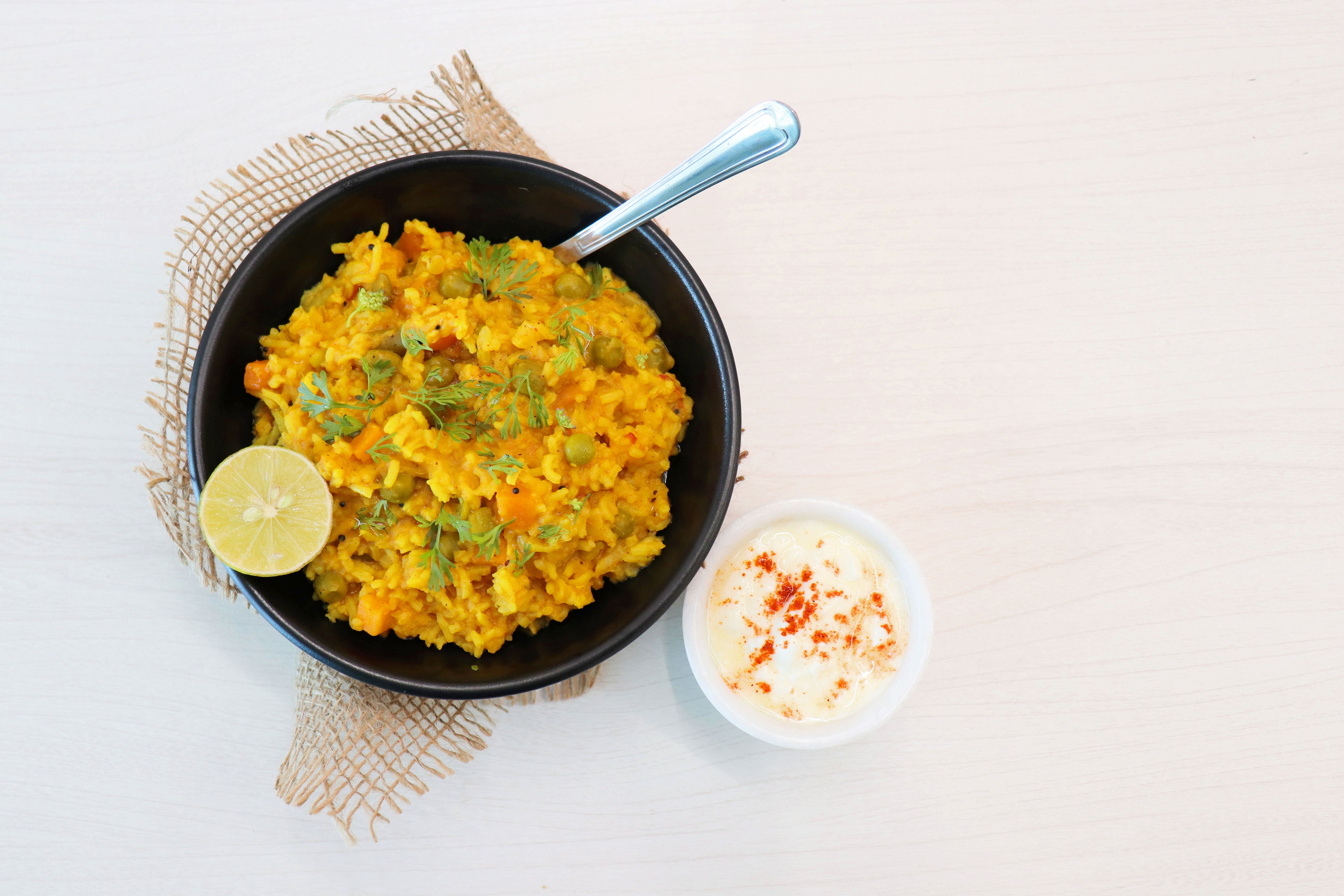
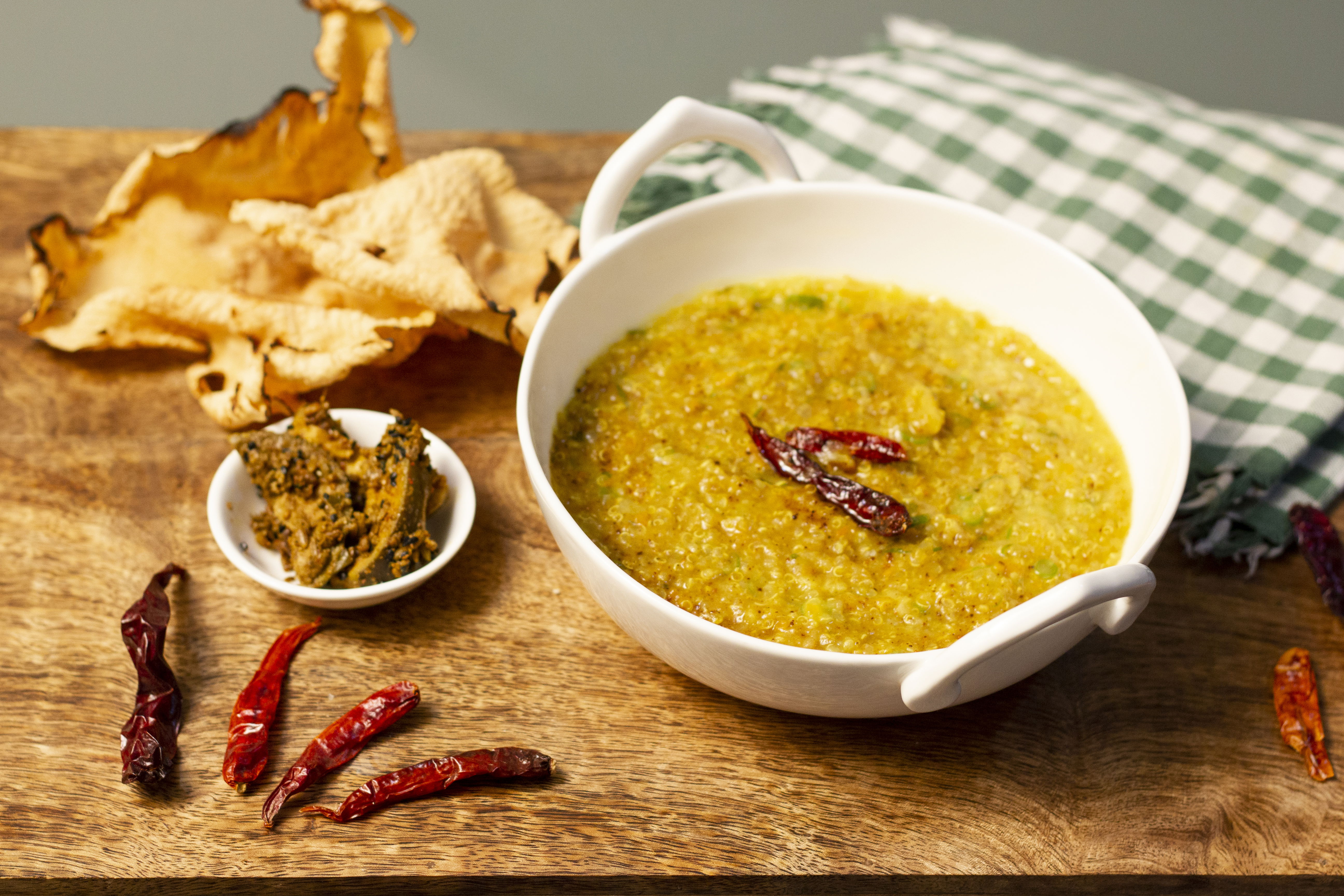
Khichdi (sometimes spelled khichari) is a traditional Indian dish made from rice and split mung dal, cooked together with gentle spices and often finished with ghee. It has been prepared in Indian households for centuries and is commonly associated with care: for people who are unwell, recovering, fasting, or postpartum.
In Ayurvedic traditions, khichdi is understood as a balancing and grounding meal, one that is simple enough for the digestive system, yet deeply nourishing. There are many regional and family variations, and this is very much a home food, not a fixed recipe. What draws me to khichdi for the postpartum period is its intent: to support the body when energy is low and the system is sensitive.
Why khichdi is so supportive postpartum
Digestion
Split mung dal is traditionally considered one of the easiest legumes to digest, particularly when cooked until very soft. Combined with white rice and plenty of water, khichdi becomes almost porridge-like, reducing strain on digestion at a time when the gut may be sluggish or sensitive.
This can be especially helpful in the early weeks postpartum, after a long or complicated birth, or when appetite feels inconsistent.
Warmth
Warm foods are prioritised in many postpartum traditions, and khichdi fits naturally into this approach. Served hot, slow-cooked, and often enriched with ghee and gentle spices, it supports circulation and brings a sense of comfort to a body that has just gone through significant change.
Gentle nourishment
Khichdi offers carbohydrates and plant-based protein in one bowl, alongside fats and minerals when ghee is added. It replenishes without being heavy or stimulating: something many postpartum parents intuitively need, even if they can’t quite put it into words.
Support during your matrescence
Beyond its physical benefits, khichdi supports the emotional landscape of early motherhood. It reduces decision fatigue, can be prepared by someone else, reheats easily, and can be eaten slowly or one-handed. During this major transition, these small supports matter.
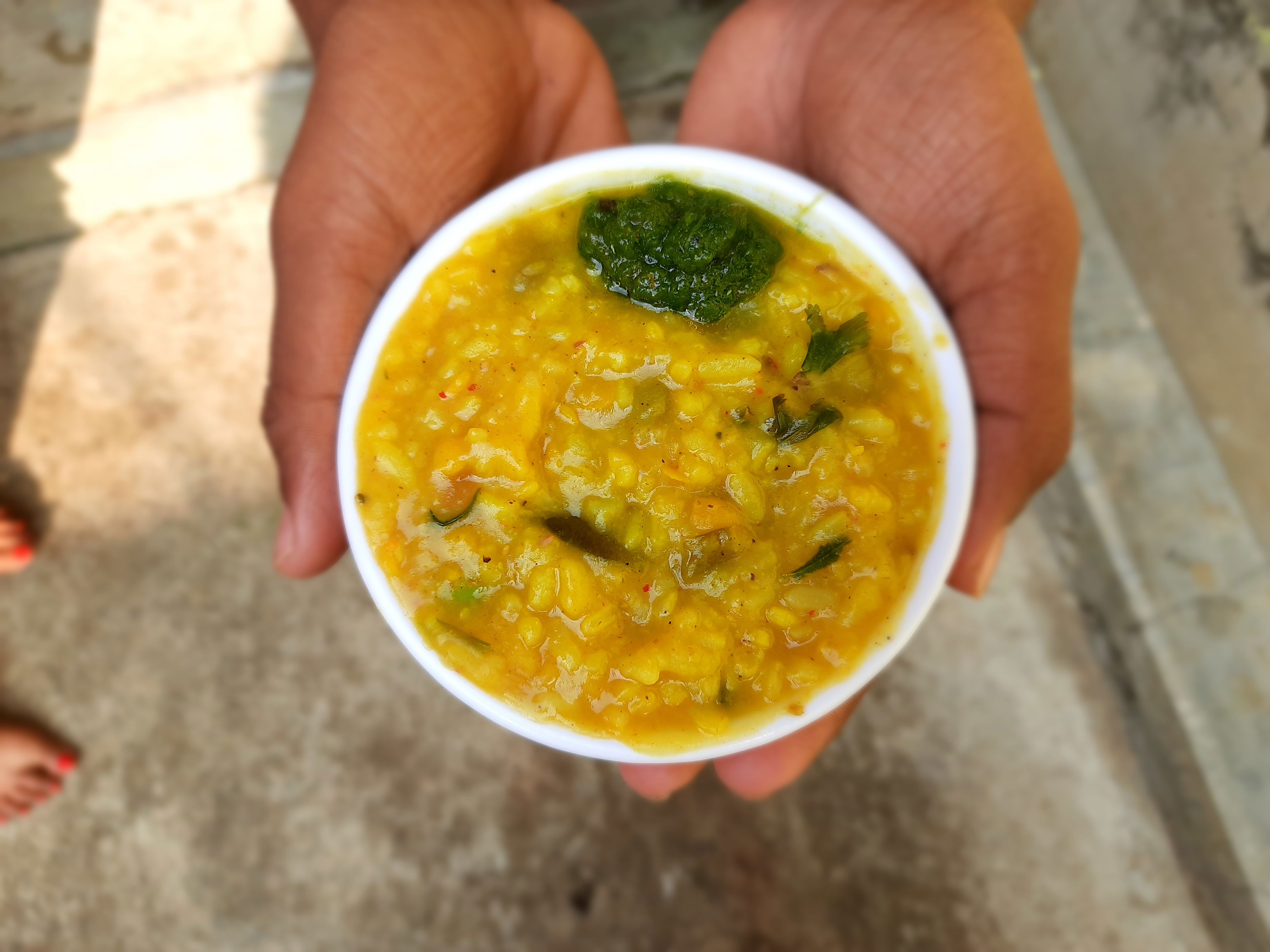
A note on ingredients
For this recipe, I sourced my spices and moong dal from The Spice Garden in Douglas, a local shop with a wonderful range of fresh, high-quality spices. In such a simple dish, good ingredients really shine. (I’ll be tagging them when I share this on Instagram, so you can follow them too!).
Khichdi recipe
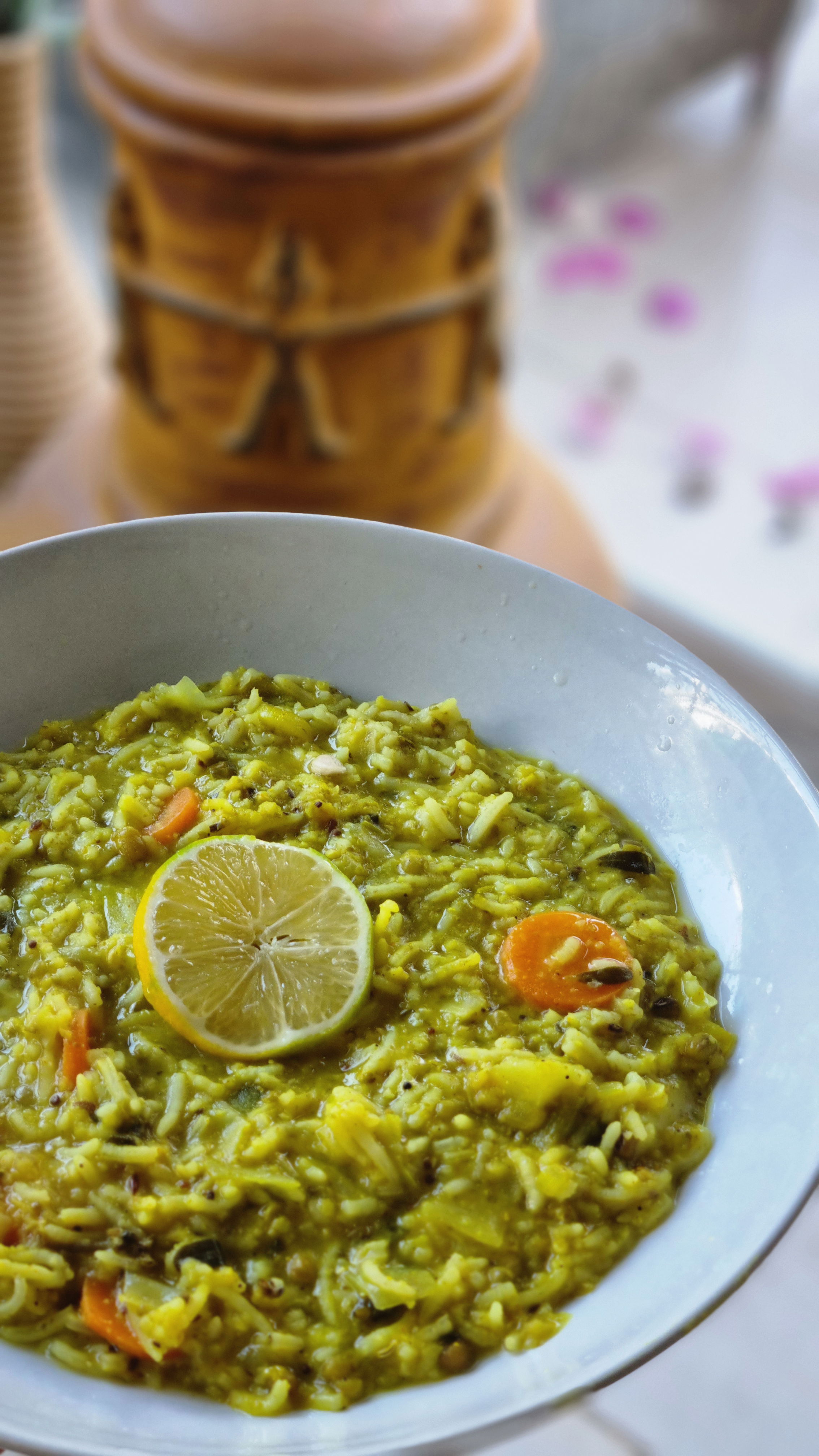
This is a gentle, accessible version inspired by traditional khichdi. It is not the only way to make it, feel free to adapt it to what you have and to how you feel.
Ingredients (serves 4–6)
- 1 cup white basmati rice
- ½ cup split mung dal (yellow)
- 1 tbsp ghee (or olive oil if needed)
- 1 tsp cumin seeds
- ½ tsp ground turmeric
- Optional: ½ tsp ground coriander or fennel
- A small piece of fresh ginger, finely grated (optional)
- 1 small carrot, cut into very small cubes
- 1 celery stalk, finely sliced
- A small handful of peas (fresh or frozen)
- Salt to taste
- 6–7 cups water (vegetables need a little extra liquid)
Method
- Rinse the rice and mung dal together until the water runs clear. If you have the time and energy, soak for 20–30 minutes, then drain.
- In a large pot, gently heat the ghee over a low–medium heat. Add the cumin seeds and allow them to soften and release their aroma.
- Add the turmeric, optional spices, and ginger if using. Stir briefly.
- Add the carrot and celery, stirring gently for a minute to coat them in the spices. There’s no need to brown them, just soften slightly.
- Add the drained rice and mung dal, stirring gently.
- Pour in the water and add a pinch of salt. Bring to a gentle boil, then reduce to a low simmer.
- After about 20 minutes, add the peas.
- Continue cooking for another 15–20 minutes, stirring occasionally, until everything is very soft and almost porridge-like. Add more water if needed.
- Taste, adjust seasoning, and allow it to rest for a few minutes before serving.
The finished dish should be soft, moist, and spoonable, this is where its postpartum value lies.
Adding vegetables to khichdi
Why these vegetables work
- Carrots: naturally sweet, grounding, and easy to digest when cooked until soft
- Celery: mineral-rich and supportive, especially when finely chopped and well-cooked
- Peas: add gentle protein and sweetness; best added in small amounts and cooked thoroughly
The key postpartum principle here is softness and warmth: no crunch, no al dente.
Enjoy!